“Lotus Diwali” – Cartier International – India, United Arab Emirates, Malaysia, Singapore 2025

“Lotus Diwali” – Cartier International – India, United Arab Emirates, Malaysia, Singapore 2025

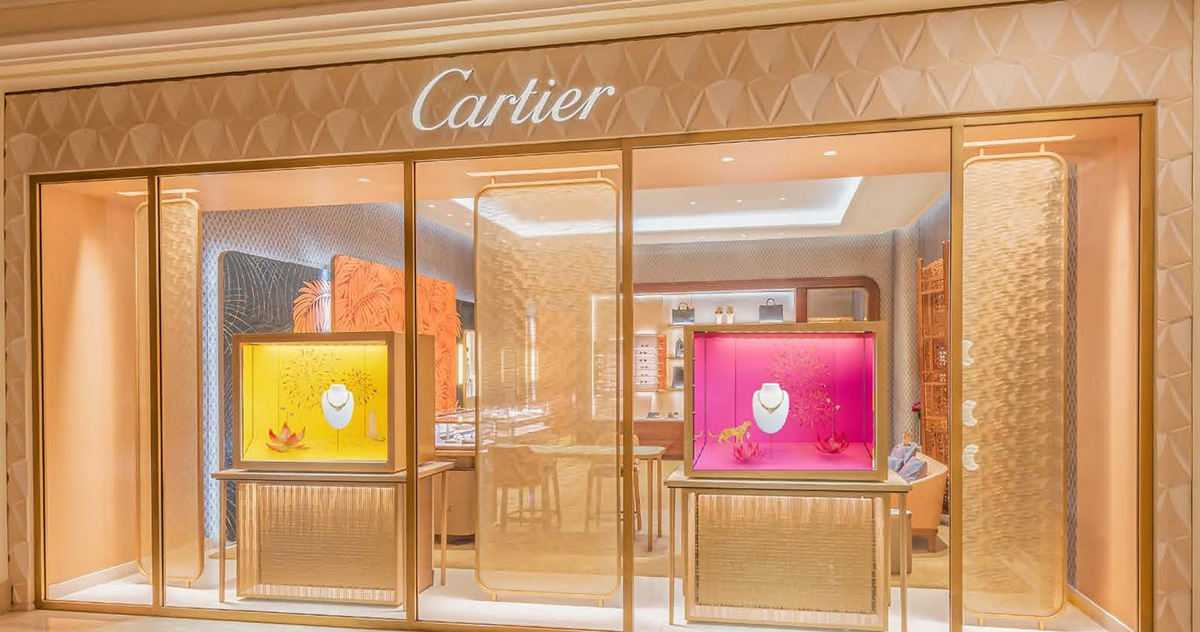
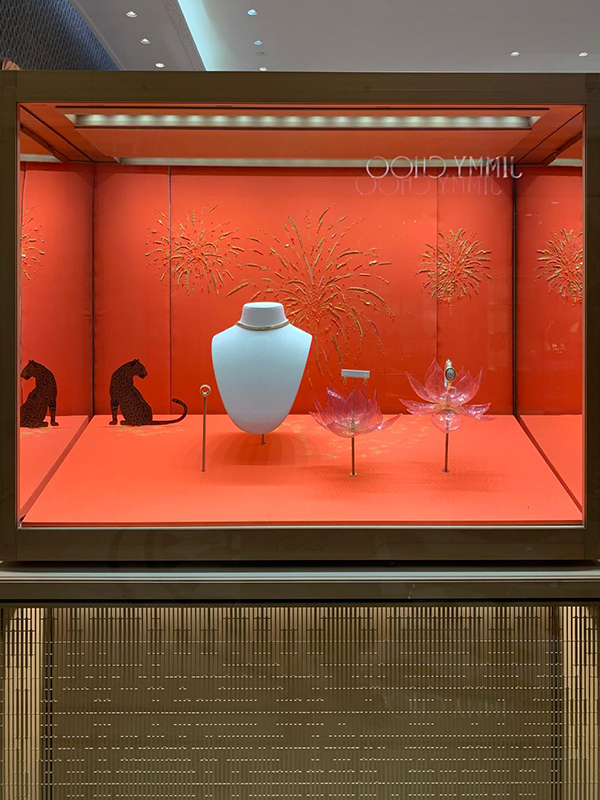
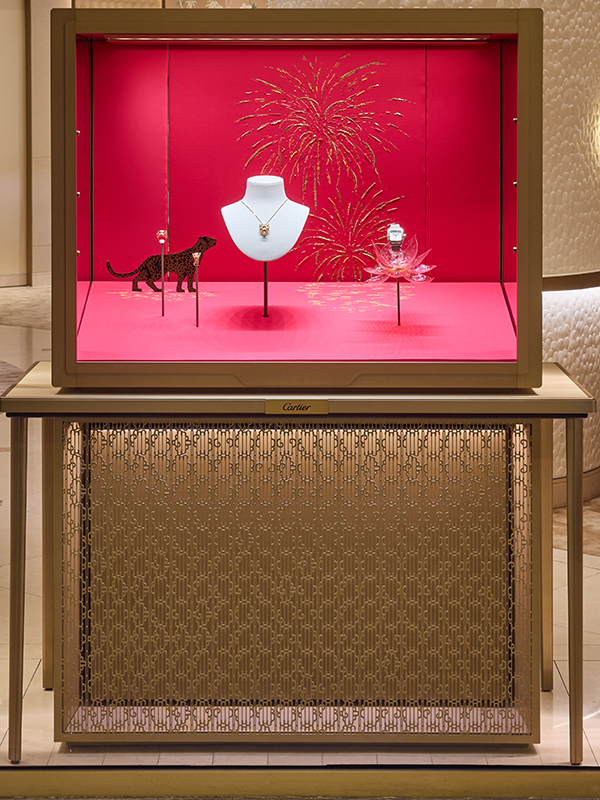
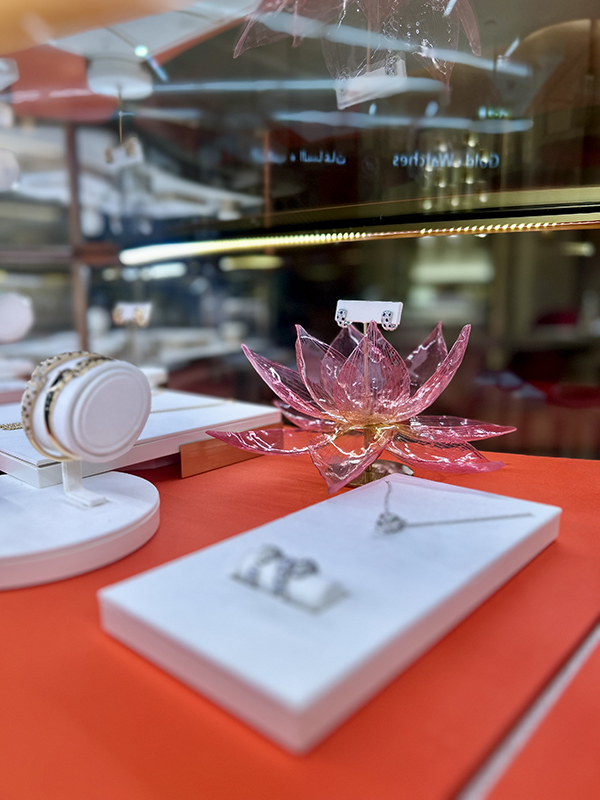
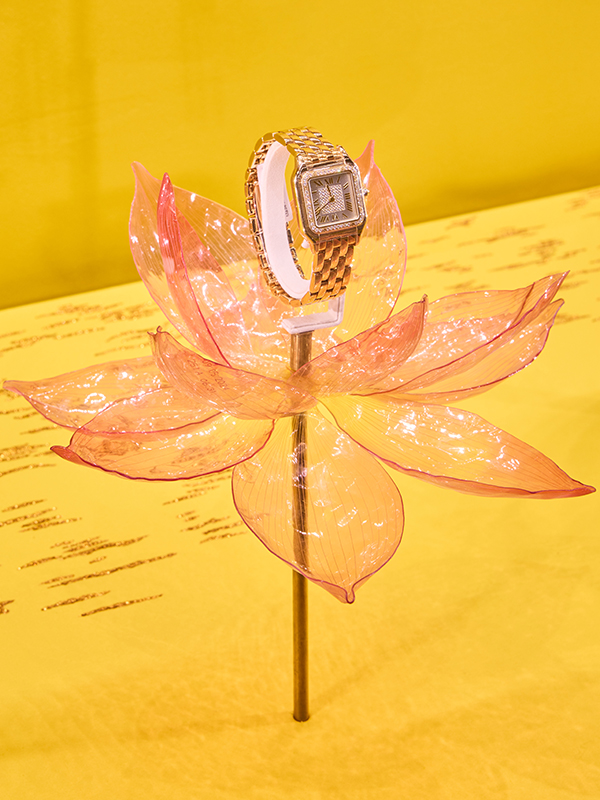
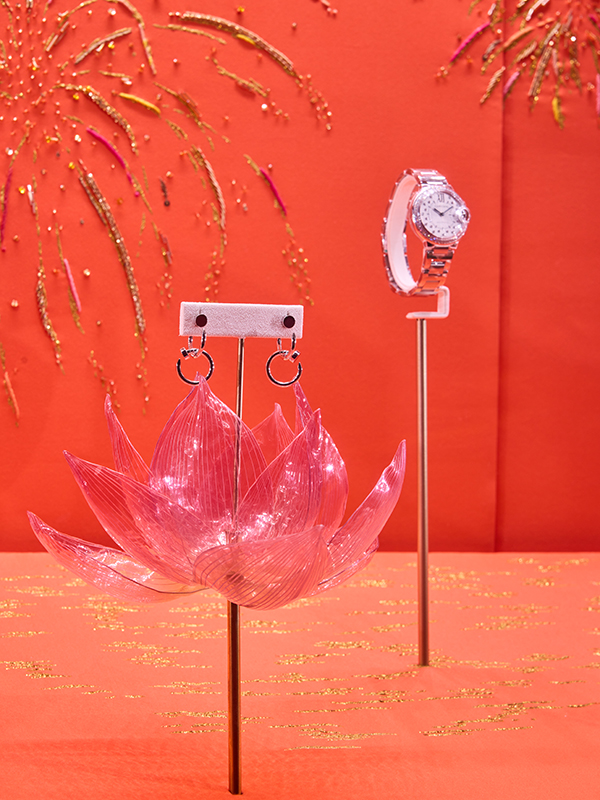
Created for the display windows of Maison Cartier at Dubai International Airport, these lotus flowers serve as poetic settings for the jewelry creations presented in celebration of Diwali, the Indian Festival of Lights. Each flower is entirely handcrafted from plastic bottles: cut, heated, shaped, and then assembled petal by petal, they reveal crystalline transparency, delicately defined veins, and a luminous gradient of pinks that seem to defy the very nature of the material.

A transformation that elevates the material

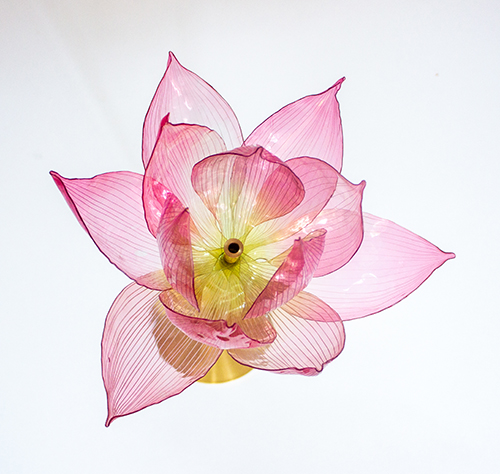
LOTUS DIWALI - CARTIER ©William Amor - 2025_openflower

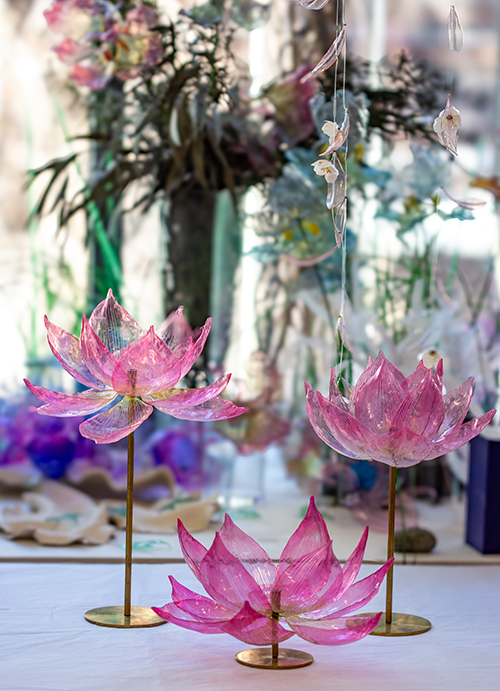
These flowers appear to be made of glass, crystal, or some other precious material. Yet they are the result of the transformation and subsequent refinement of plastic bottles.

In William Amor’s hands, this everyday material sheds all traces of its industrial past to reveal the apparent fragility of living things. The petals catch the light, play with reflections, and reveal a network of veins reminiscent of those found in real lotus flowers.

This tension between strength and delicacy becomes the work’s true hallmark.

The lotus, a flower between earth and light

The lotus is the obvious choice. In many Asian traditions, this flower symbolizes purity, elevation, and renewal.

It takes root in the mud but blooms on the surface of the water, never allowing itself to be tainted. Displayed during Diwali, the lotuses naturally resonate with this celebration of light triumphing over darkness.

They become metaphors for rebirth: the rebirth of nature, but also that of matter transformed by the creative act.

LOTUS DIWALI - CARTIER 2025 - ©William Amor

A delicate setting for Cartier jewelry

Rather than competing with the jewelry they accompany, these lotuses bring out the best in them.

Their transparency, lightness, and delicate shades create a subtle interplay with the fine jewelry pieces on display in Cartier’s showcases.

The flower is not merely a display piece: it extends the brand’s world by evoking preciousness, refinement, and emotion.

The jewelry box becomes a work of art in its own right, capable of catching the eye before drawing it toward the piece of jewelry.

A Different Perspective on What Is Precious

Through these lotus flowers, William Amor pursues a theme that runs throughout his entire body of work: shifting our perspective on what we consider valuable. By giving new life to discarded material, he seeks not only to demonstrate that trash can become beautiful. He reveals that a patient transformation, driven by craftsmanship and sensitivity, has the power to alter our perception of the world. Where we once saw only a worn-out material, a flower appears; where we imagined an end, a new possibility is born.

PROJECT TEAM

William Amor, Valérie Henry, Rémy Jarnoux, Marion Le Bellec, Cécile Lefeuvre, and Léa Levy

SEEDS OF MEANING

Brass
Brass
Plastic bottle
Plastic bottle

MAKING OFF

Date:

William Amor’s unique artistic vision sprang from a desire to create art that has an element of poetry, celebrates nature and helps protect the environment. Through his unique creations, which are full of meaning and evoke an emotional response, the artist offers a different perspective on the world surrounding us, including items whose presence, existence and origin we may have forgotten or disregarded.